

Harar Jugol: Ethiopia’s Living Labyrinth of Faith and Color
Where ancient walls guard sacred stories, and every alley hums with history.
Tucked away in the eastern highlands of Ethiopia lies Harar Jugol—a city unlike any other in Africa. Enclosed by 16th-century stone walls and crowned with over 80 mosques and 100 shrines, Harar is a place where faith, folklore, and everyday life blend into a vibrant mosaic. Recognized as a UNESCO World Heritage Site, it’s often called the fourth holiest city in Islam—but Harar is more than sacred. It’s soulful.
A City Built to Protect, Not Isolate
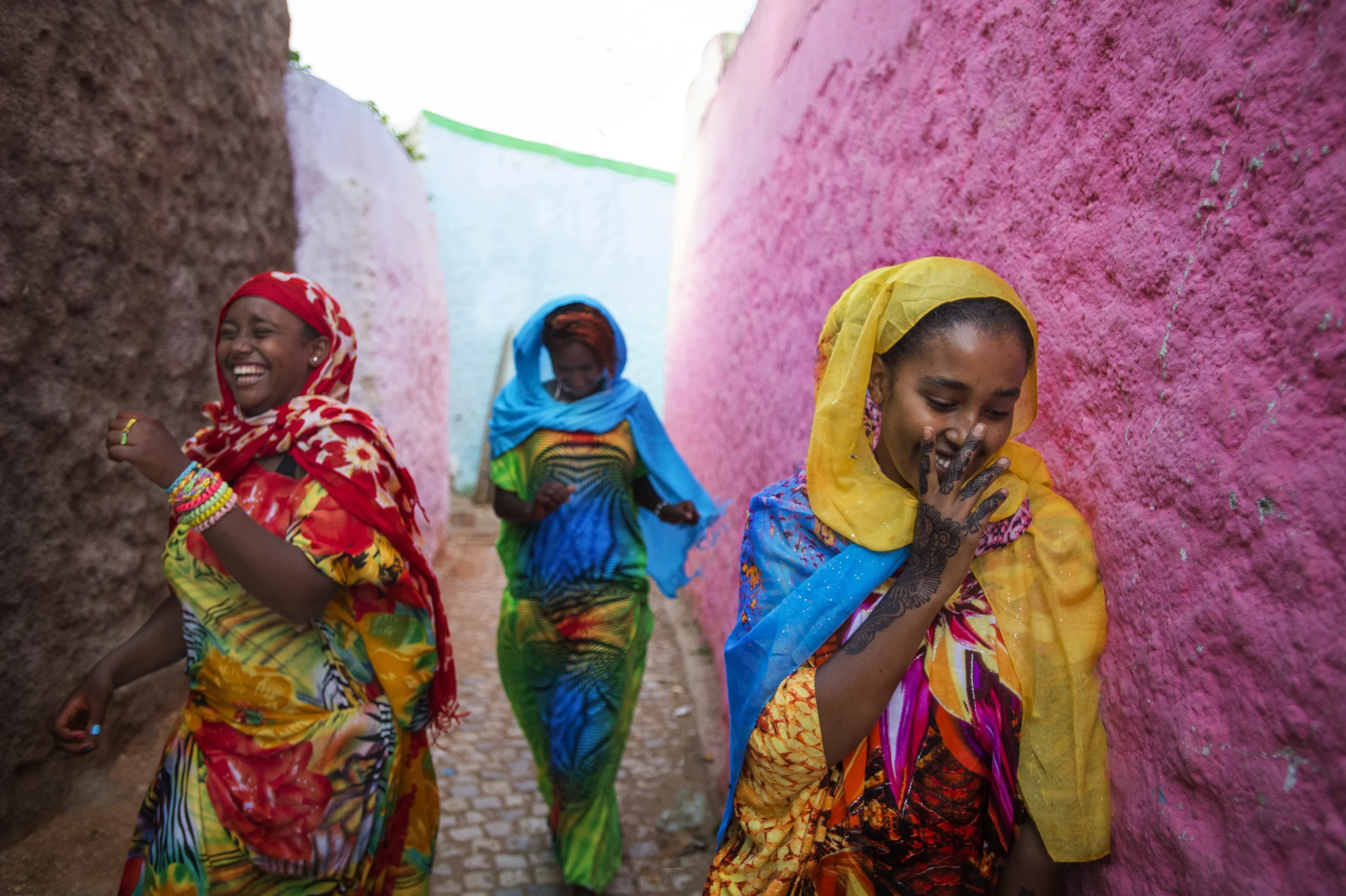
Harar’s walls weren’t just defensive—they were symbolic. The five ancient gates once regulated trade, pilgrimage, and spiritual passage. Today, they welcome travelers into a world of narrow alleyways, pastel-painted homes, and centuries-old rituals.
- Shoa Gate: The main entrance, where the pulse of the city begins.
- Jugol’s maze: Over 360 alleyways wind through the old town, each one revealing a new story, a new scent, a new smile.
Mosques, Shrines, and Sacred Quiet
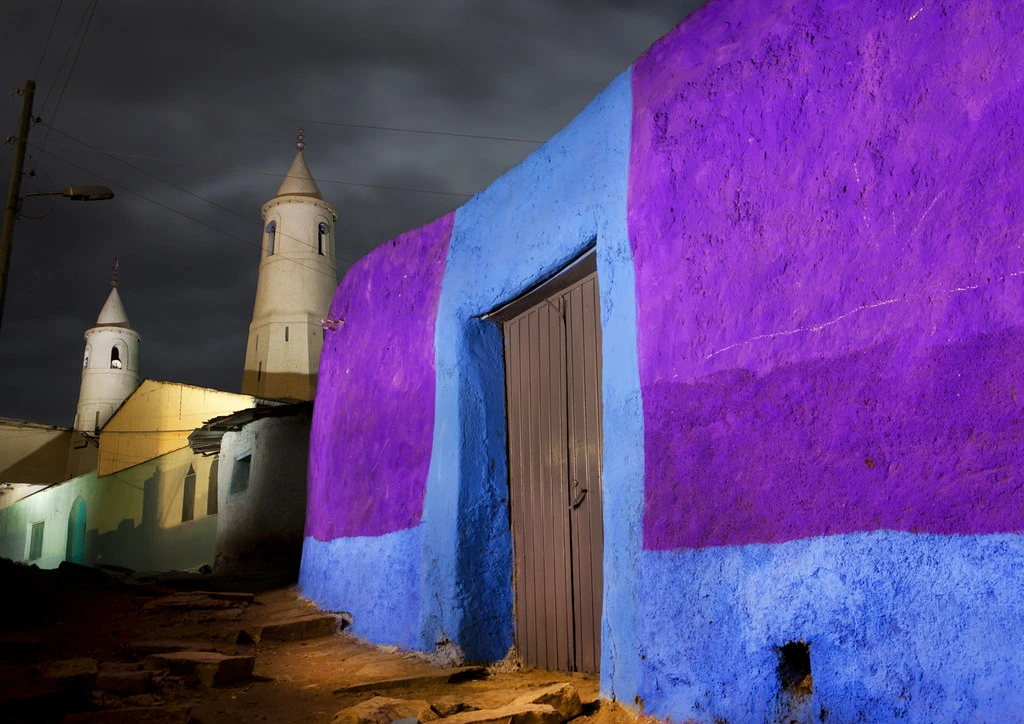
Harar’s spiritual landscape is intimate and deeply rooted. Mosques are tucked into corners, their minarets rising modestly above the rooftops. Shrines dedicated to saints and scholars are marked by colorful cloth and quiet reverence.
- Jami Mosque: The city’s oldest, with elegant arches and a legacy of devotion.
- Awliya Tombs: Pilgrimage sites where the faithful come to pray, reflect, and connect.
The Hyena Men: A Ritual of Trust
Every night, just outside the city walls, a surreal tradition unfolds. Local “hyena men” call wild hyenas by name and feed them by hand—sometimes even mouth-to-mouth. It’s a ritual of coexistence, passed down through generations.
- Best time: After sunset near the Fallana Gate.
- Why it matters: It’s not a show—it’s a relationship. A living symbol of Harar’s harmony with nature.
A Kaleidoscope of Culture
Harar’s old town is a sensory feast. Homes are painted in soft blues, greens, and reds. Markets overflow with spices, coffee, and handwoven baskets. The air smells of incense and roasted beans. And everywhere, you’ll find stories—told through textiles, architecture, and smiles.
- Arthur Rimbaud House: A museum dedicated to the French poet who lived here in the 1880s, now a window into Harar’s cosmopolitan past.
- Coffee Ceremony: Harari coffee, spiced with cardamom and ginger, served with grace and conversation.
Best Time to Visit
Harar is most enjoyable during the dry season, from **September to February**, when the climate is mild and the skies are clear. This period also aligns with several cultural and religious festivals, offering deeper insight into Harar’s living traditions.
- September to November: Ideal for exploring the old town and attending local harvest celebrations.
- January: Timket (Epiphany) and other Orthodox festivals bring vibrant processions and spiritual energy.
- February: Pleasant weather and fewer crowds make it perfect for immersive cultural experiences.
Harar doesn’t ask to be understood—it asks to be experienced.
Let Rift Valley Ethiopia Tours guide you through its walls, rituals, and rhythms—with insight, care, and stories that stay with you long after you’ve left. Contact Us.




Comments are closed